The Brief
Three things nobody offered together
We think a genuinely end-to-end secure messenger ought to exist by now — one that takes the device in your hand as seriously as the server in the rack, treats privacy as architecture rather than policy, and still looks and behaves like an app you would choose on the merits. Most products get one or two of those; we were not willing to trade any of them away.
Design constraints we set ourselves:
- ● No identity we could be asked to hand over: no phone number, no email, no account — a key pair generated on the device is the account.
- ● No server we could be ordered to read: envelopes only, no sender identity, no social graph, 14-day maximum retention of undelivered mail.
- ● No cryptography that a future quantum computer breaks: hybrid classical + post-quantum in every handshake, every group and every identity key.
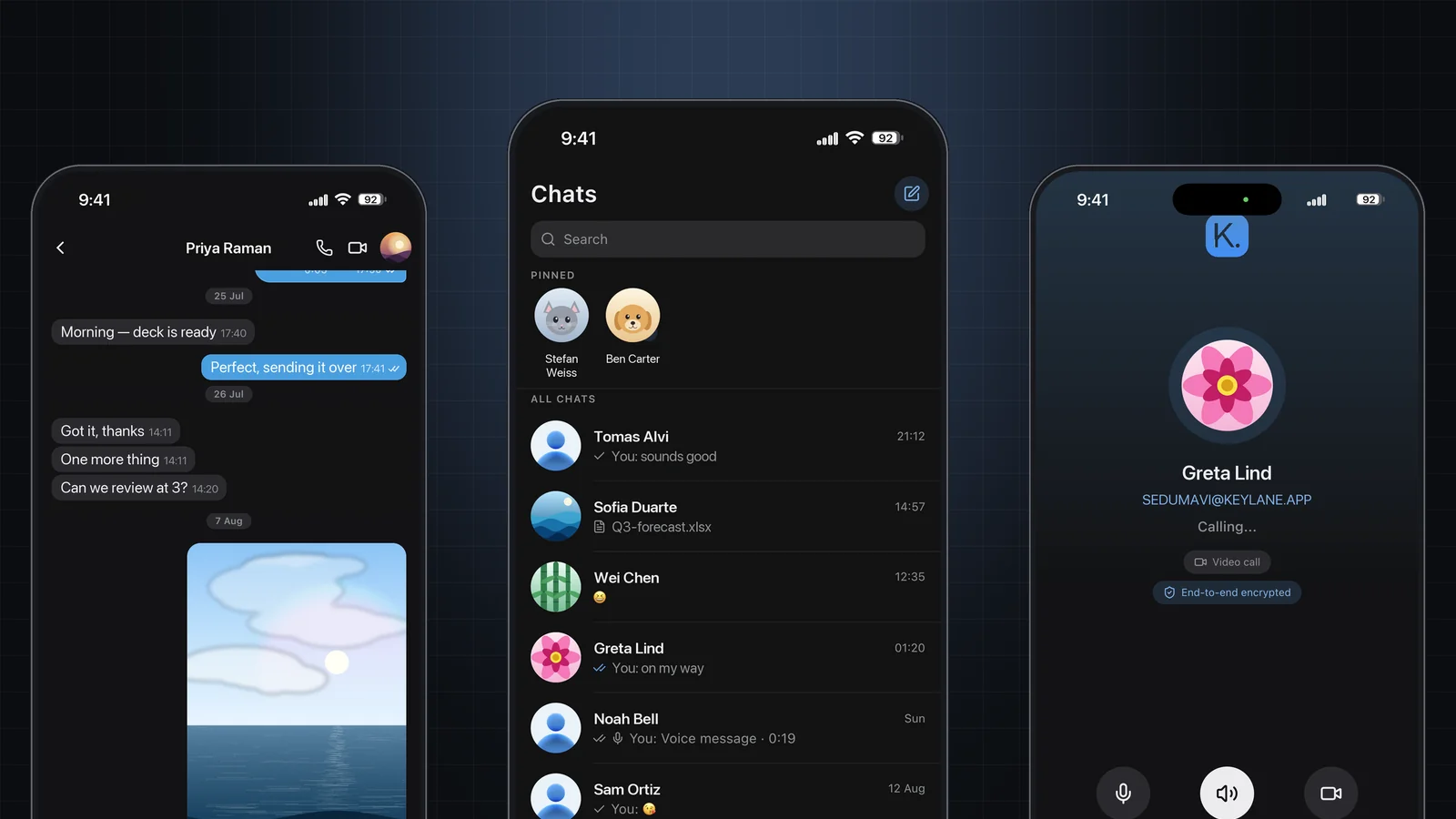
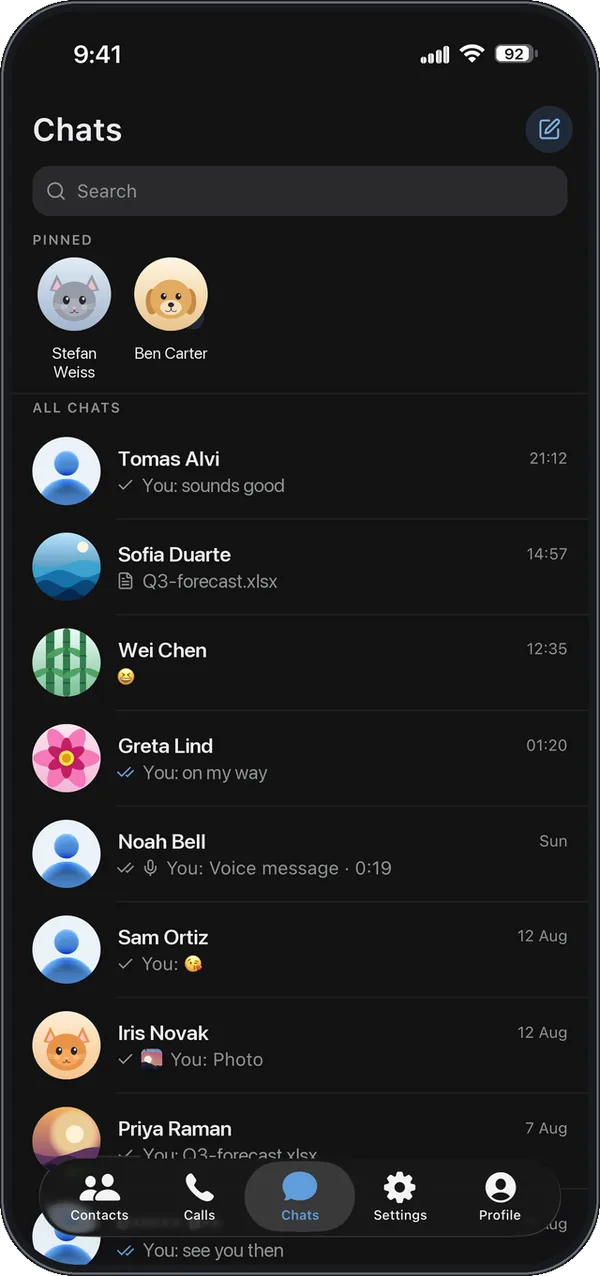
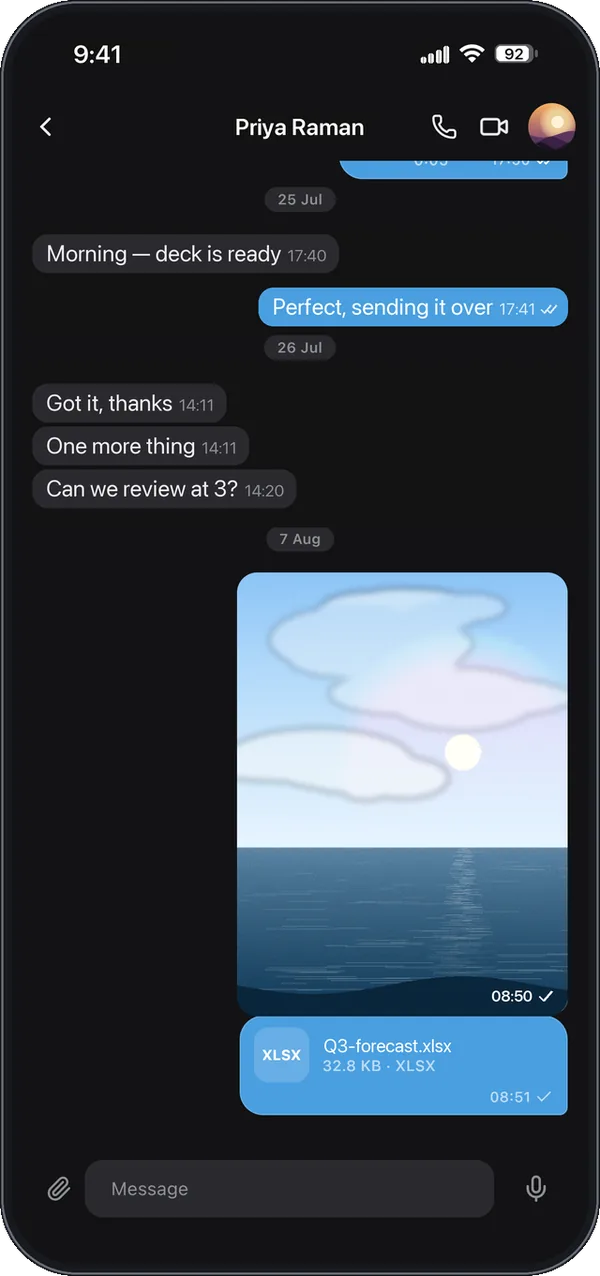
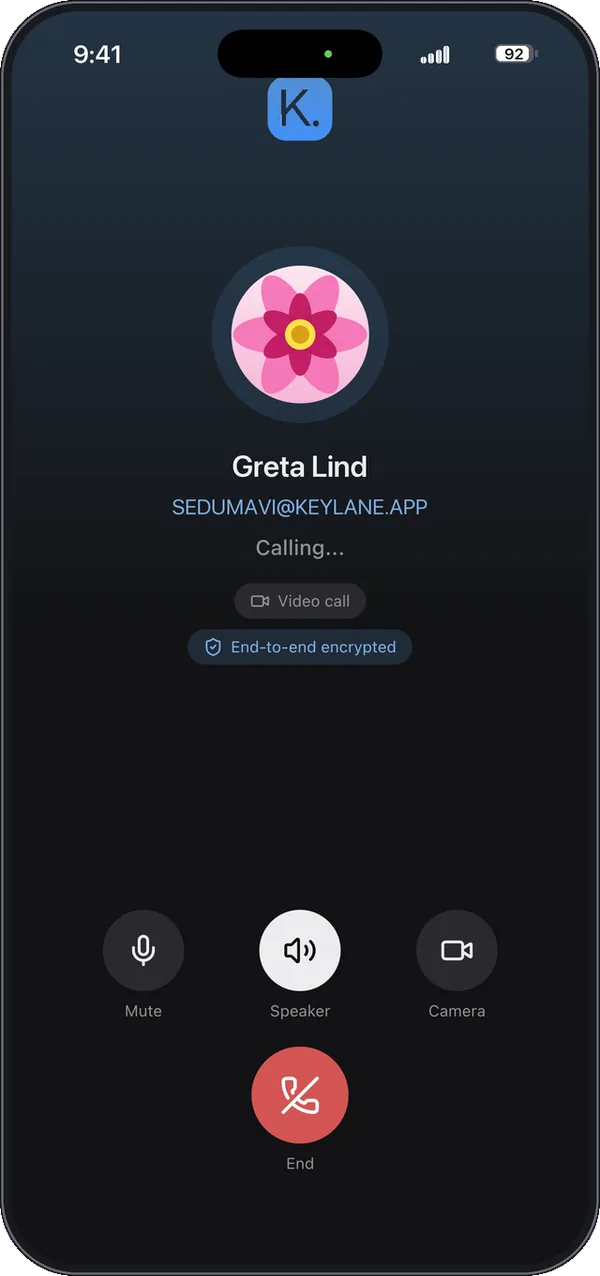
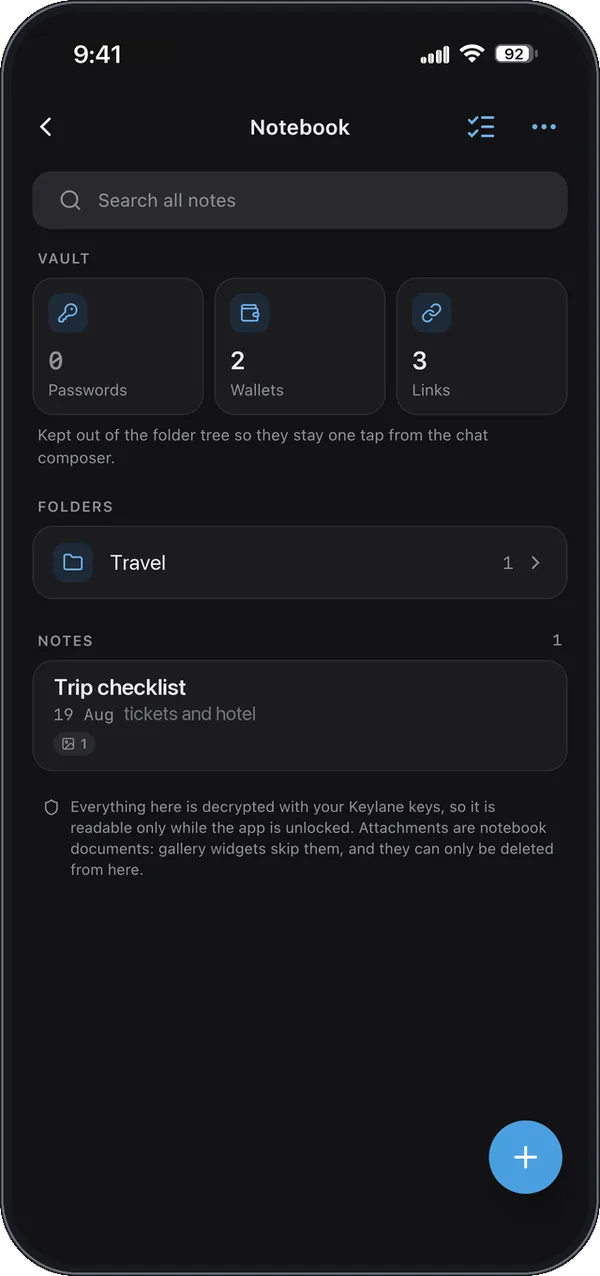
- ● No security that makes the app unpleasant: mainstream polish, biometrics, calls, media, notebook.
The Build
One language, three components
Keylane is Kotlin end to end. The same architecture (VISCE) and the same crypto library run on the phone and on the server, which is what makes a hybrid post-quantum protocol tractable for a small team.
Kotlin Multiplatform App
Android and iOS from one codebase with Compose Multiplatform, Composables UI and Lucide. PIN-derived keys encrypt everything at rest; the hardware key is destroyed on lock and regenerated only by the PIN. Face ID / Touch ID / fingerprint via Keychain and Keystore.
Zero-Knowledge Ktor Relay
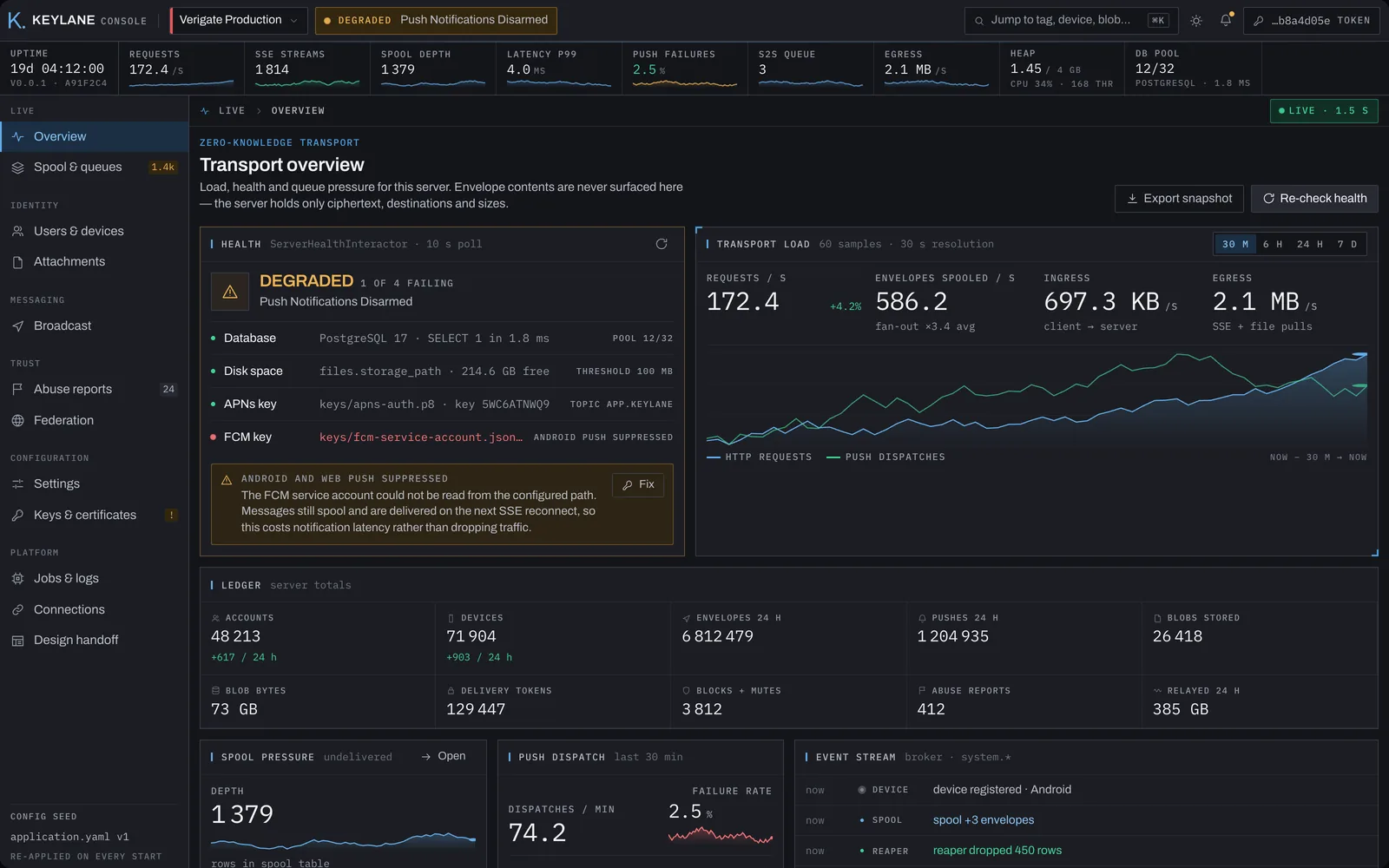
Ktor 3, Exposed, PostgreSQL, Koin. Routes sealed envelopes by device id, streams them over SSE, wakes devices through privacy-preserving push, stores attachments as anonymous TTL-reaped blobs, and exposes a desktop operator console.
Kodium Crypto Core
Pure-Kotlin NaCl (X25519, Ed25519, XSalsa20-Poly1305) plus ML-KEM and ML-DSA, open source under Apache 2.0. Used for PQXDH key exchange, hybrid identity signatures and proof-of-possession tokens.
Trust Infrastructure
Published whitepaper and threat model, transparency report and warrant canary, vulnerability disclosure with safe harbour, funding disclosure and roadmap — and a changelog that logs security-relevant changes instead of shipping them silently.
The Product
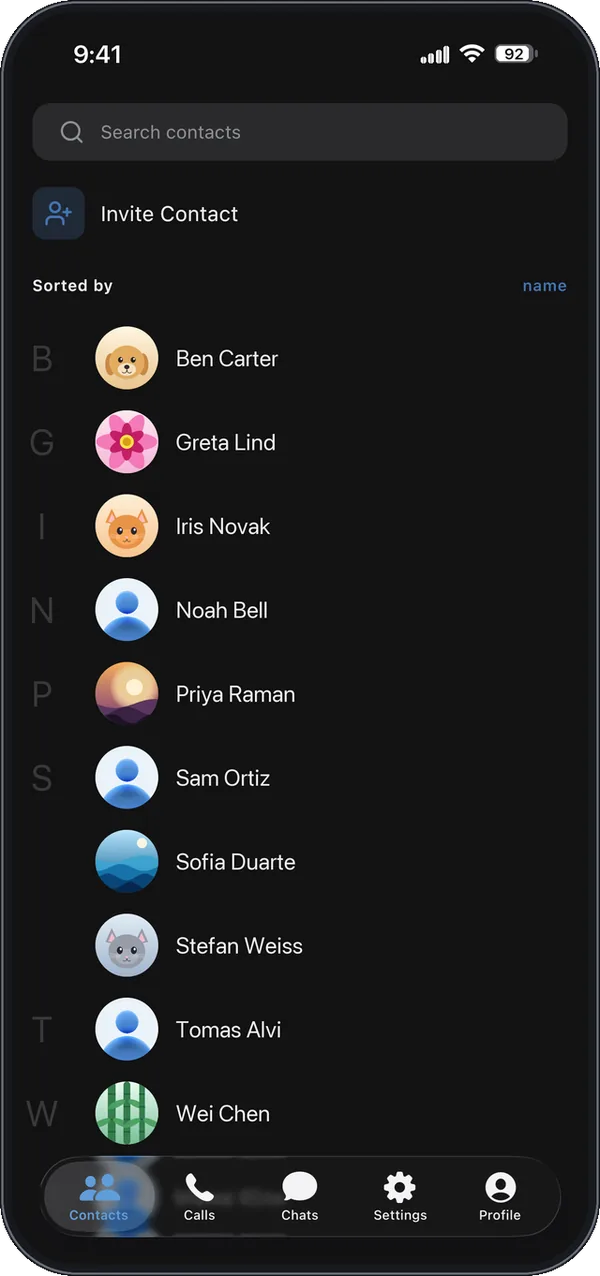
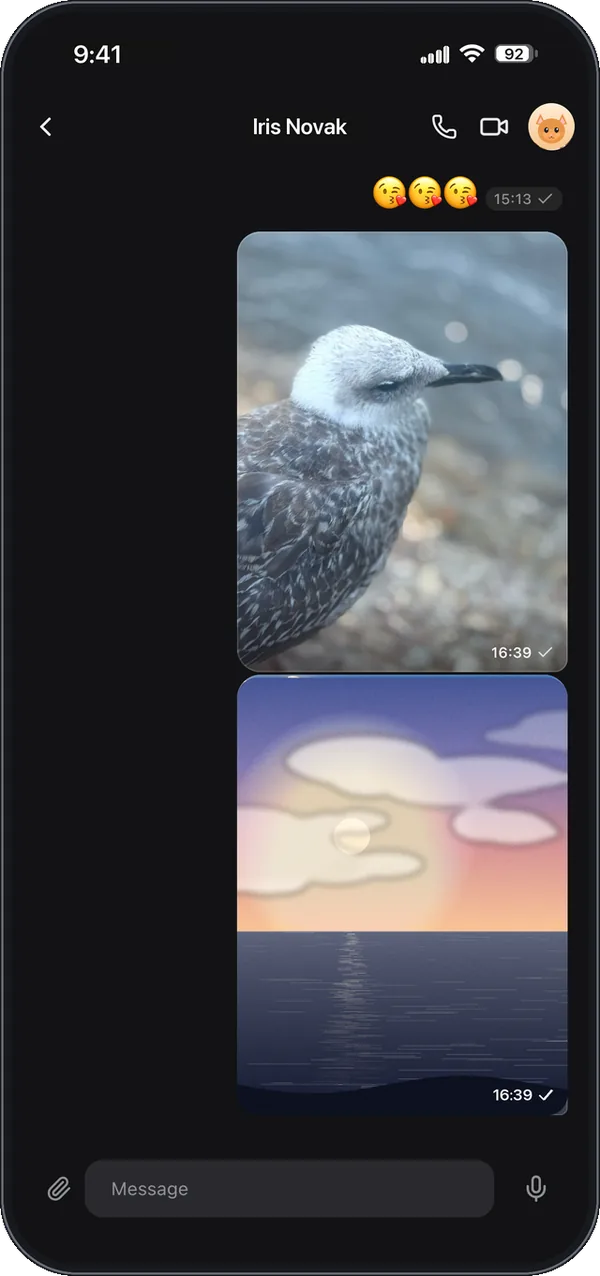
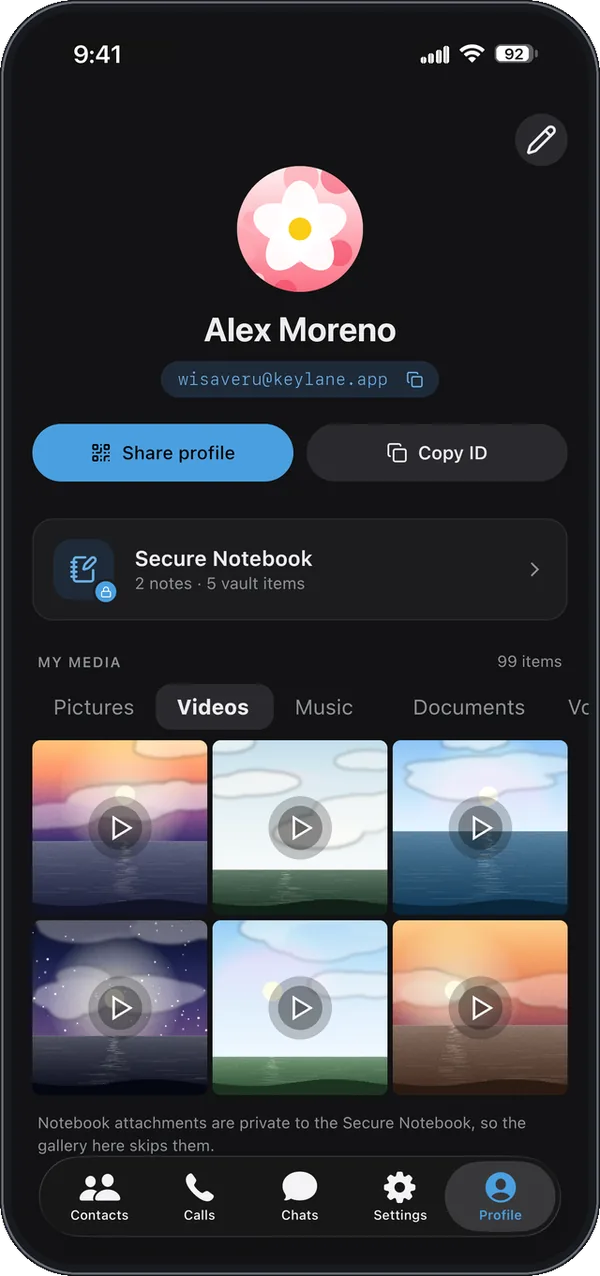
Secure doesn’t have to mean sparse
Where it stands
Open to everyone.
Keylane left closed beta on 21 August 2026. Read the announcement →